Dermatology
Help for itchy skin, allergies and ear infections
Itchy skin. Recurring ear infections. Hair loss. Irritation. Scratching. Chewing. Licking.
If your pet suffers from allergies or a skin disorder, it can feel like you’re on a merry-go-round of flare-ups, vet visits, and treatments—many of which provide only temporary relief for your beloved pet.
At Mac Animal Clinic, we take an in-depth approach to your pet’s dermatologic issues to ensure we address not only the symptoms but the source of your pet’s discomfort.
While there’s no such thing as a ‘quick fix’ for skin problems, a targeted therapeutic plan—supported by diligent at-home care—can help restore your pet’s comfort and quality of life.
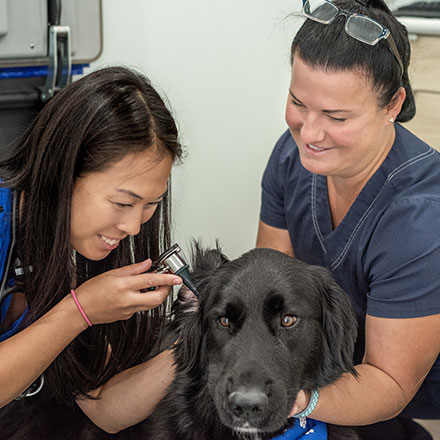
Dr. Mac has a special interest in allergies and skin disorders.
How soon will my pet feel better?
We will provide relief as soon as possible. Our focus, however, is on long-term solutions and management strategies rather than short-term fixes, so that your pet stays comfortable well beyond the first few weeks.
If you have been through round after round of treatment, you have not failed your pet. Skin problems often have more than one cause, and it takes a dynamic plan to untangle them.
What improvement usually looks like
- First visit
We review your pet’s medical history, provide relief, and start diagnostics.
- 2 to 4 weeks
We implement the treatment plan, recheck your pet, and adjust the plan to how your pet is responding.
- 8 weeks or more
Once we have treated secondary infections, we can begin to formulate a long-term maintenance plan based on how your pet has responded to treatment. If your pet was started on a food trial, this is when we will start to see results.
- Ongoing
Many skin conditions are managed rather than cured. We will help you create a plan to prevent flare-ups, and give you the framework to manage future flare-ups.
Every pet is different. We will tell you what to expect for yours.
When to Seek Care For Your Pet’s Skin
The skin is the largest organ in the body and serves as a crucial barrier against environmental hazards. Damage to this barrier causes inflammation, pain and irritation, which can result in significant discomfort and impact your pet’s day-to-day life.
While an occasional itch is normal, persistent symptoms, visible discomfort, and changes in your pet’s personality signal a need for prompt veterinary care. Warning signs include:
- Excessive scratching, licking, or grooming
- Redness or visible irritation
- Hair loss
- Unusual skin odors
- Changes in hair texture or color
- Sores that won’t heal
- Unusual skin lesions, rashes, or bumps
- Recurring skin or ear infections
- Saliva staining on the paws
- Head shaking and scratching at the ears
- Scooting or licking under the tail
Allergies and skin conditions don’t get better with time. If your pet is experiencing one or more symptoms, contact us to schedule a dermatology consultation.
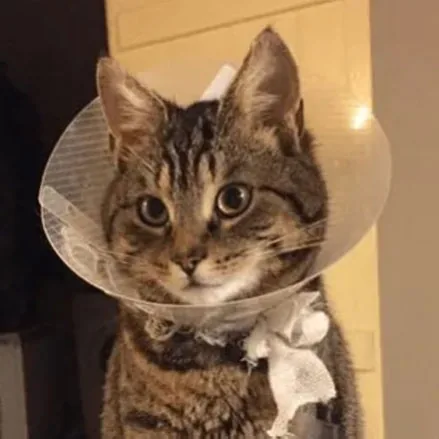
Life Is Too Short To Wear a Cone: Our Approach to Care
Driven by her special interest in pet allergies and skin disorders, Dr. Mac provides detailed dermatological care. Our comprehensive approach includes:
Detailed discussion
We ask key questions about your pet’s lifestyle, nutrition, and health history to help us see the bigger picture.
Thorough physical exam
The hands-on exam provides vital information about your pet’s skin and coat health, level of discomfort, and any potential underlying problems.
Targeted testing
If indicated, diagnostic tests can help us pinpoint the cause of your pet’s symptoms and make customized treatment recommendations.
Education and understanding
We’ll explain your pet’s condition and treatment options so you feel informed and confident about their care.
Multi-modal management
Combination treatments including medications, topical sprays, shampoos, wipes, or therapeutic diets ensure we address your pet’s condition from multiple angles—treating inflammation, infection, and allergic itch or irritation.
Compassionate support
We understand that managing skin disorders can be difficult, but you’re not alone on this journey. Our caring team provides encouragement, follow-up care, and personalized support to help you navigate life with an allergic pet.
Our Promise To You and Your Pet
While there isn’t always a quick and easy fix for dermatologic conditions, we will provide a detailed assessment of your pet’s symptoms, lifestyle, health, and history to create a personalized therapeutic plan that addresses their discomfort at its source.
Common skin and ear problems
Select the concern that applies to your pet to learn about the common causes, how we approach it, and what you can do at home.
Why does my dog keep licking their paws?
Some paw licking is normal grooming. Licking or chewing every day, red-brown staining on the fur, or red, swollen skin between the toes usually means something is bothering your dog.
The most common causes we see:
- Allergies to things in the environment or to food. This is the most common reason.
- Yeast or bacterial infections between the toes, which often follow allergies.
- Parasites such as fleas or mites.
- Pain in a toe, nail or joint.
Please book a visit if the licking lasts more than a week or two, keeps returning, or you notice redness, swelling, odour or limping.
What you can do at home
- Rinse your dog’s paws with cool water after walks, or wipe them with a damp cloth, to wash off and mechanically remove irritants such as pollens and other allergens. Pat the paws dry, especially between the toes.
- Licking and chewing can cause significant damage in a short time. If the skin is raw, a clean sock or a cone will protect it until your appointment. Once it is on, please call us.
- Take a photo of the paws and note when the licking is worst. This helps us find the cause.
- Avoid human creams, peroxide, tea tree oil and other essential oils. They can irritate the skin and can be harmful if ingested.
Why does my dog keep getting ear infections?
If your pet keeps getting ear infections, allergies may be part of the problem. Allergies can cause inflammation and irritation inside the ear canal, creating an environment where yeast and bacteria can overgrow and lead to infection. This is why pets with allergies often struggle with recurring ear infections.
Some pets are also more prone to ear infections because of the shape of their ears. Pets with very hairy ears or long, narrow ear canals may have less airflow in their ears, making it easier for yeast and bacteria to thrive.
Treating the infection brings relief, but the infection tends to return until the underlying cause is managed.
At your visit we examine the ear canal. We may also recommend ear cytology, where we take a sample from the ear and examine the cells under a microscope. We choose treatment based on what we find, then make a plan to keep the ears healthy between flare-ups, which may include cleaning at home. Our ear cleaning tutorial shows you how.
Signs to watch for: head shaking, scratching at the ears, odour, discharge, redness, or pain when the ears are touched.
What you can do at home
- Do not put anything in a sore ear: no cotton swabs, peroxide, vinegar or oils, and no leftover drops from a previous infection.
- Please do not clean the ears for 48 hours before your appointment, so that we can see what is going on.
- A cone can stop the scratching that makes the ear worse.
- Note any odour or discharge, and take a photo.
- Call us as soon as you notice discharge, odour, excessive scratching or shaking of the head, and right away if your dog tilts their head, loses their balance, or cries when the ear is touched.
What should I do if my dog has a hot spot?
A hot spot is a patch of red, moist, painful skin that can appear and spread within hours, often after a dog licks or scratches one area. Hot spots are common in thick-coated dogs and in warm, humid weather.
Call us if the spot is spreading quickly, is very painful, or your dog seems unwell. We will look for the underlying cause of the hot spot, as well as provide relief and treatment.
What you can do at home
- Keep your dog from licking or scratching the spot. A cone or a soft T-shirt can help.
- Keep the area clean and dry, using cool to cold water only. Do not use peroxide.
- Do not use human creams or ointments unless we have recommended one.
Could my pet have a food allergy?
Food allergies are less common than environmental allergies, but they can cause year-round itching and ear infections. The signs we look for include recurring ear infections, paw licking, anal gland problems, intermittent soft stools or gas, and general itching.
There is no reliable blood or saliva test for food allergies in pets. The way to find out is a strict elimination diet trial:
- We choose a diet with a protein your pet has not eaten before, or one made with specially broken-down proteins.
- Your pet eats only that food for about eight weeks or longer, with no treats, table scraps or flavoured medications.
- If the itch improves, we will discuss whether a diet challenge, in which the previous food is reintroduced to confirm the cause, is appropriate for your pet.
Most trials that do not work fail because of one extra treat or flavoured chew, so we will help you plan for every detail. Our diet trial handouts, under Dermatology Resources below, explain each step.
Before your visit
- Hold off on trying new foods until we have talked. Each new protein your pet eats is one fewer we can use in a food trial.
- Start a list of everything your pet eats: food, treats, chews, supplements, table scraps and flavoured medications.
- If you have already tried switching foods, that is useful. Bring the names, how long you tried each one, and whether it helped the skin or the stomach.
What can allergy testing tell us?
We diagnose environmental allergies from your pet’s history, the examination, and by ruling out other causes. Allergy testing is how we confirm environmental allergies: it identifies the specific pollens, moulds or dust mites your pet reacts to.
The main benefit of testing is immunotherapy. The allergens identified in your pet’s panel are used to create an immunotherapy serum, similar in principle to a vaccine.
It is given as allergy injections, which require weekly to monthly visits to the clinic, or as oral drops given at home. Immunotherapy takes about a year to reach its full effect.
Allergies cannot be cured, but they can be controlled. Our goal is a long-term plan that makes flare-ups less frequent and less severe, using the right combination of:
- Medications to calm itch and inflammation
- Medicated shampoos, sprays and wipes
- Diets and supplements that support the skin
- Year-round parasite prevention
- Regular rechecks, so that we can adjust as seasons and needs change
We will discuss whether environmental allergy testing and immunotherapy are suitable for your pet.
What helps between flare-ups
- Keep up parasite prevention all year, even in winter.
- Bathe your pet in cool to cold water with the shampoo we recommend, on the schedule we give you.
- Keep a simple flare-up diary: dates, weather, and any change in food or routine.
Why is my cat over-grooming?
Over-grooming is one of the most common signs of itch in cats. You might notice thinning fur, bald patches on the belly or legs, or small scabs around the head and neck. Some cats jump up suddenly as if they have been stung, or the skin along their back twitches.
Allergies, fleas and stress are common causes, and some cats have more than one. Indoor cats can still get parasites such as fleas and ear mites. Our separate cat waiting area and Fear Free® handling help cats stay calmer during their visit, which makes it easier to find the cause.
Please book a visit if you see bald patches, scabs, or grooming that does not let up. Cats hide discomfort well, so what you can see is usually only part of the picture.
What you can do at home
- Never use a dog flea product on a cat. Some contain permethrin, which is toxic to cats.
- Run a flea comb through the fur over a white paper towel. Dark specks that turn red when damp are flea dirt.
- Note where the fur is thin and take a photo.
- Never put anything in your cat’s ears. The facial nerve runs very close to the ear canal, so even cleaning needs care. We can show you how to do it safely.
Tests we may recommend
Many skin problems look alike on the surface. The right test shows us what is actually happening, so that treatment addresses the cause. We will explain what each test can tell us, and what it costs, before we begin.
Skin and ear cytology
A look under the microscope for yeast and bacteria.
Initial cytology $121.80. Recheck cytology $87.96.
When we use it, how it works, results
- When we use it
- Red, greasy or malodorous skin, or ears with discharge, odour or head shaking.
- How it’s done
- The sample is collected with a piece of tape or a gentle swab; no needles are required.
- Results
- Within one week.
Skin scrapings
Checks for mites that live in or under the skin.
Cost estimate provided if recommended.
When we use it, how it works, results
- When we use it
- Hair loss, crusting or intense itch, especially around the face, ears or elbows.
- How it’s done
- A blunt blade is used to gently scrape the surface of the skin.
- Results
- Within one week.
Fungal and bacterial cultures
Identifies the type of bacteria or yeast causing the infection, and which antibiotics it will respond to.
Cost estimate provided if recommended.
When we use it, how it works, results
- When we use it
- Infections that do not clear up or keep returning, when ringworm is possible, or when a pet has had several rounds of antibiotics and we need to check for resistance.
- How it’s done
- A swab or a few hairs are sent to the laboratory.
- Results
- Within one to three weeks.
Allergy testing
Confirms environmental allergies and identifies the specific allergens involved.
Cost estimate provided if recommended.
When we use it, how it works, results
- When we use it
- To diagnose environmental allergies, identify the specific allergens your pet reacts to, and create the immunotherapy serum.
- How it’s done
- A blood sample is sent to the laboratory.
- Results
- Within 1 to 3 weeks.
Hormone testing
Checks for hormonal imbalances, such as an underactive thyroid.
Cost estimate provided if recommended.
When we use it, how it works, results
- When we use it
- When a hormonal imbalance may be worsening your pet’s skin issues, or predisposing your pet to them.
- How it’s done
- A blood or urine sample is used.
Biopsy
A small skin sample examined by a veterinary pathologist.
Cost estimate provided if recommended.
When we use it, how it works, results
- When we use it
- Unusual lumps, sores that will not heal, or a condition that is not responding to treatment.
- How it’s done
- The sampling method will vary depending on the nature of the condition or lump. We will discuss the best option for you and your pet.
- Results
- Within 1 to 3 weeks.
All prices are listed before tax. Prices vary depending on the nature of the procedure and the needs of your pet.
What to expect at a dermatology visit
A dermatology visit at Mac Animal Clinic includes a detailed conversation, a thorough examination, and a written treatment plan you can follow at home.
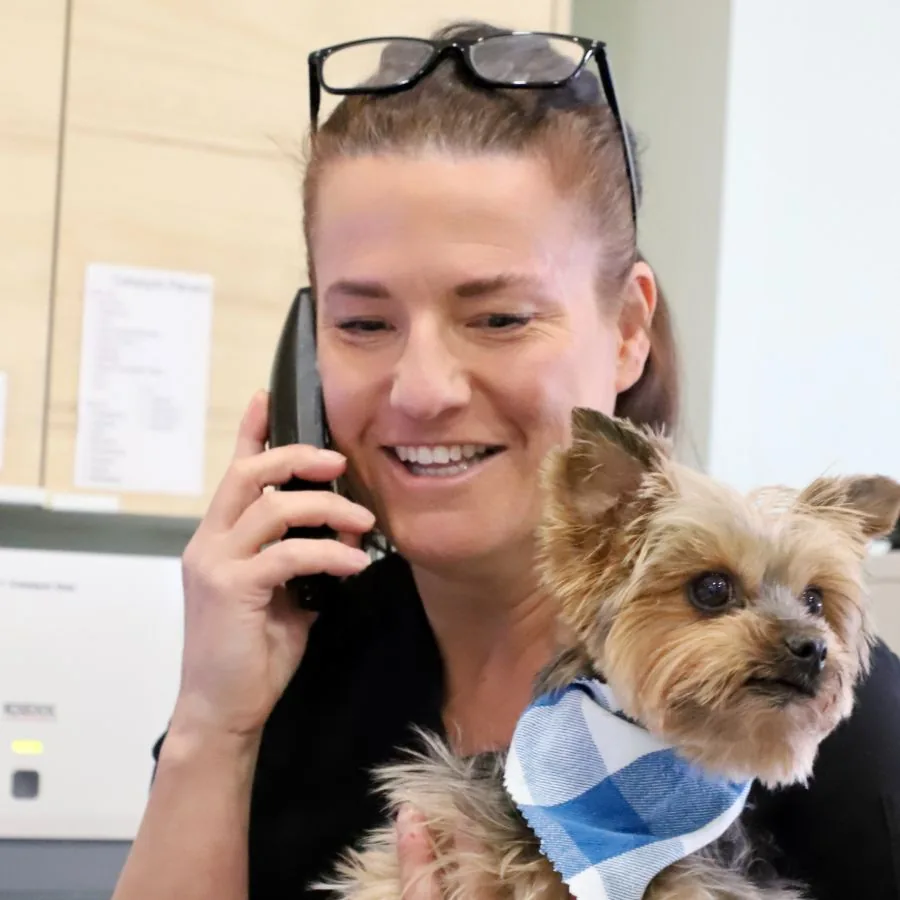
Before your visit
Please bring a list of your pet’s food, treats, supplements and medications, any previous test results, and photos of flare-ups.
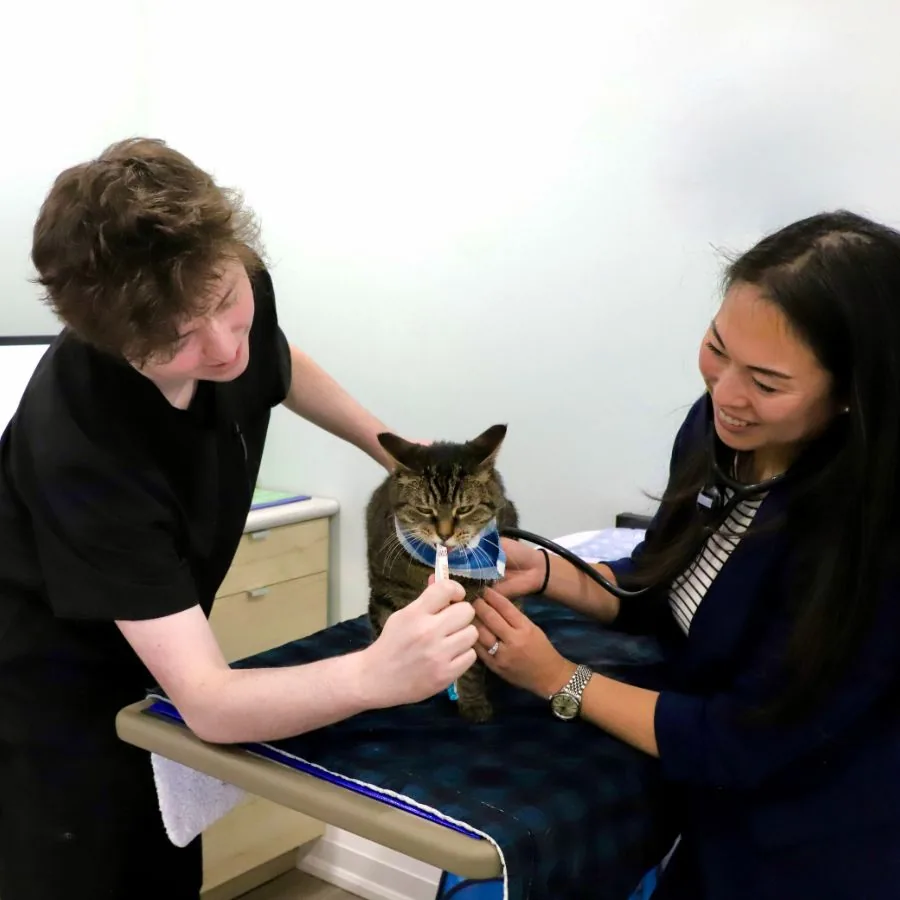
Your appointment
A one-hour consultation covering your pet’s history, a full skin and ear examination with Fear Free® handling, and tests such as cytology when they are recommended.
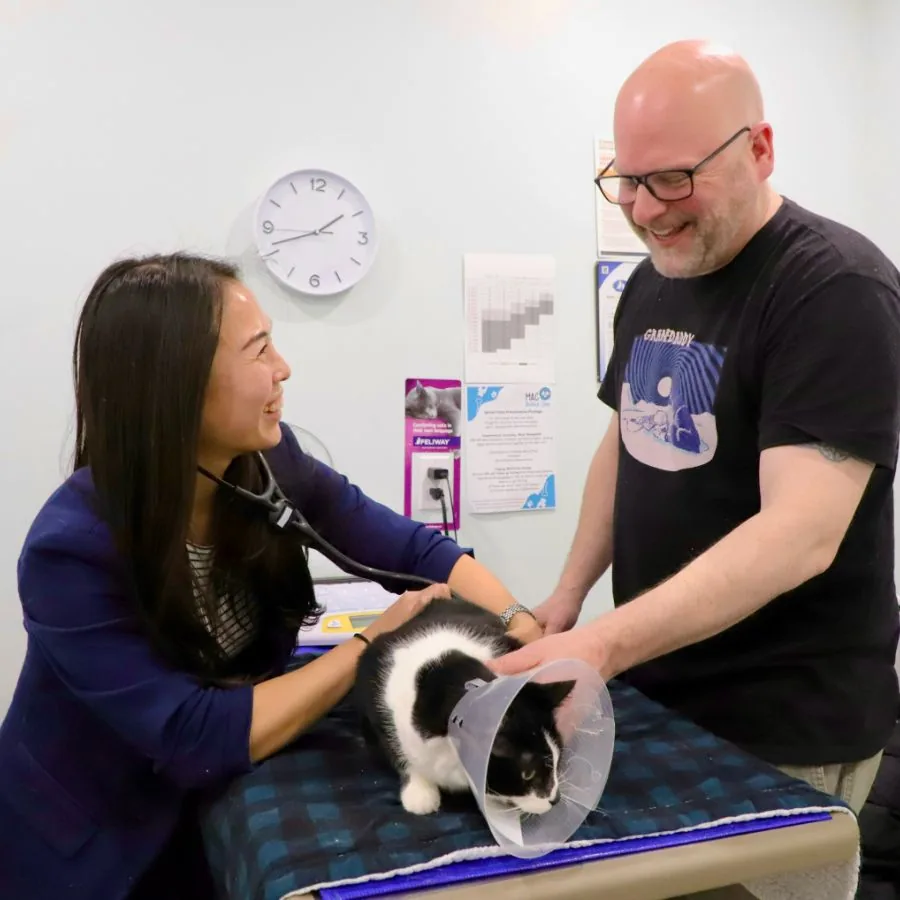
Your plan
You will leave with a written treatment plan, clear instructions for care at home, and an outline of what to expect next.
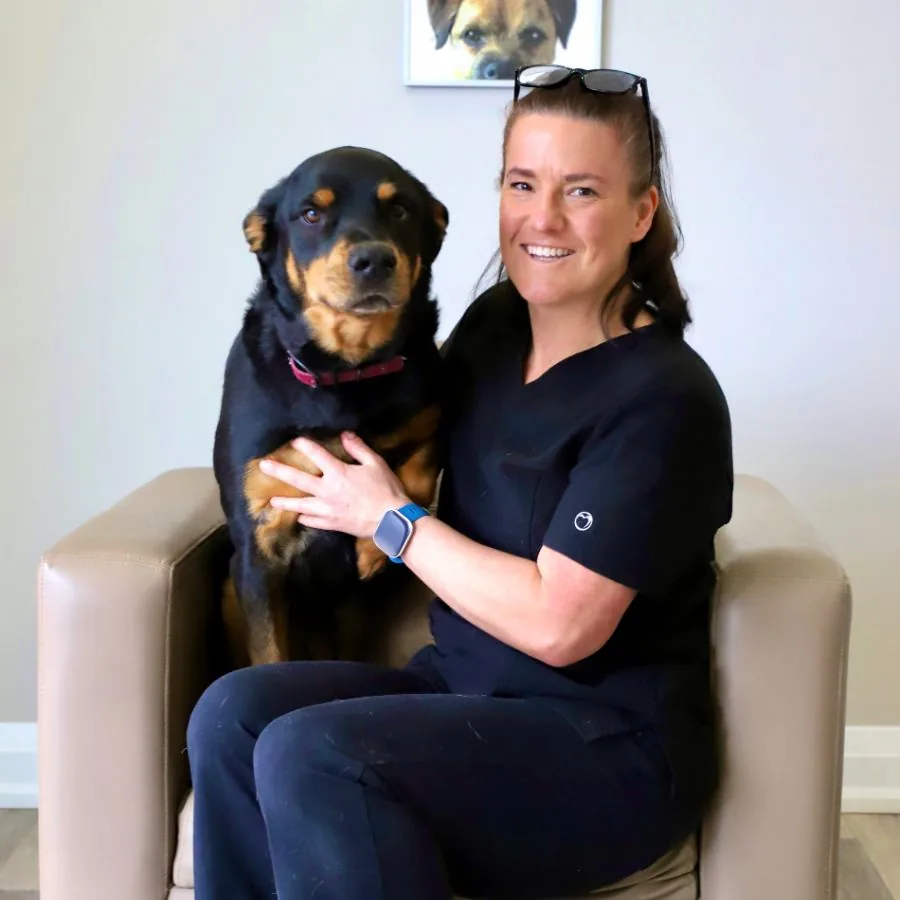
Follow-up
Skin conditions take time to improve. We recheck, adjust the plan, and build a long-term strategy for fewer, milder flare-ups.
Already tried everything?
Please send your pet’s records before your visit, or bring them with you. Dr. Mac will review the treatments that have already been tried, so that your plan builds on them rather than starting over.
What it costs
A dermatology consultation is $218.51 and includes a one-hour appointment and a written treatment plan. A follow-up recheck consultation is $86.74. Cytology pricing is listed under Tests, and we provide a cost estimate for any other test we recommend.
Before any test or treatment, we will provide an estimate, explain the recommended tests and treatments, and develop a plan together. We are happy to assist with insurance pre-approvals, and our pricing page describes payment and financing options.
All prices are listed before tax.
When it flares up again
You will be provided with a plan to help manage and prevent flare-ups. However, remember that many skin conditions are managed rather than cured. Flare-ups can occur even with a good plan, and we are here to support you.
During clinic hours, please call us at 905 208 9933. After hours, please see our emergency page for a telemedicine triage line and nearby emergency hospitals.
Transformative Care: Patient Success Stories
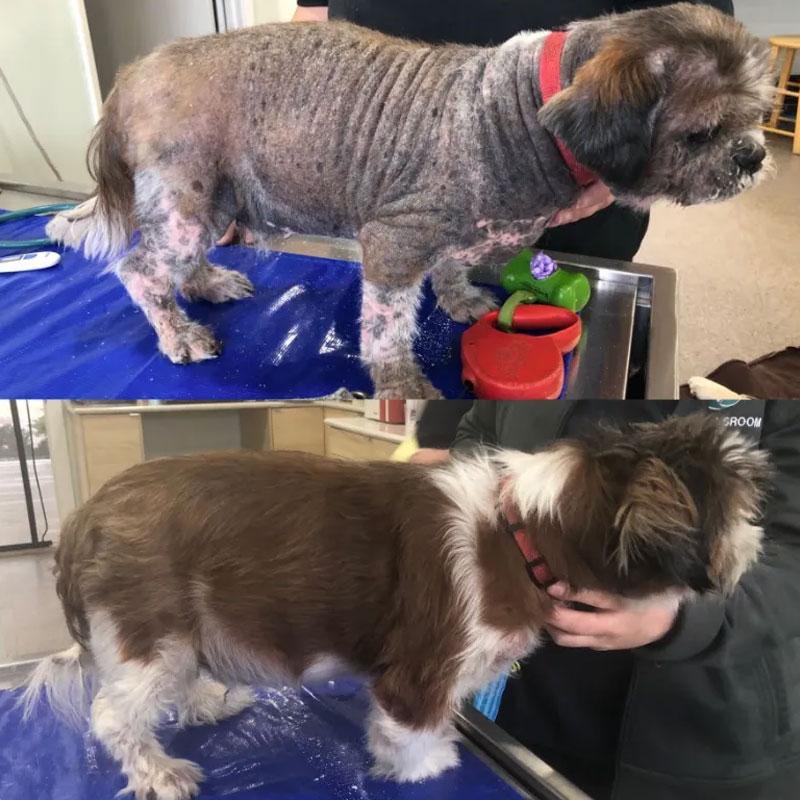
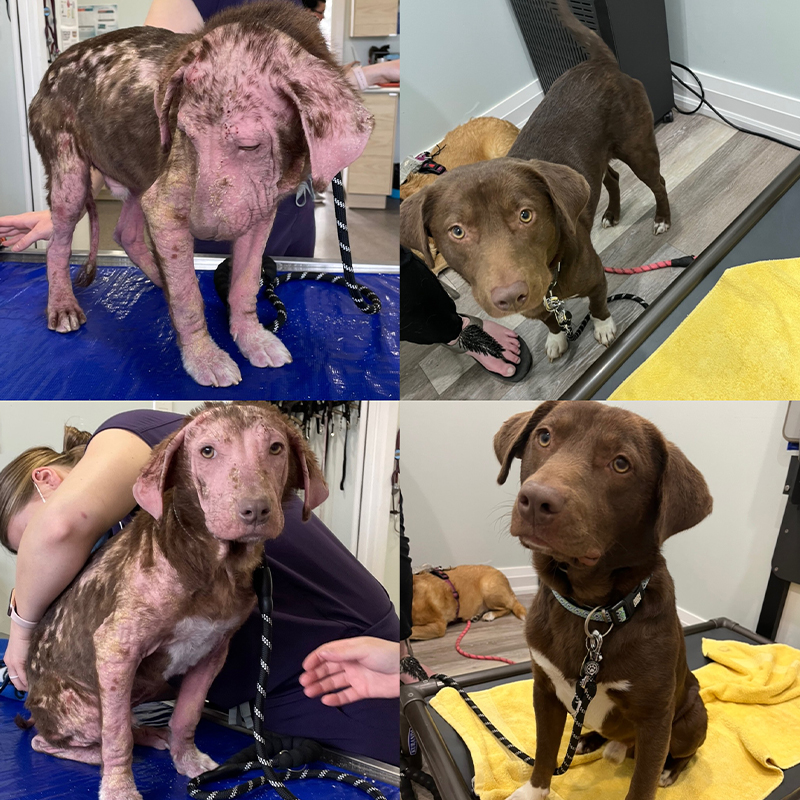
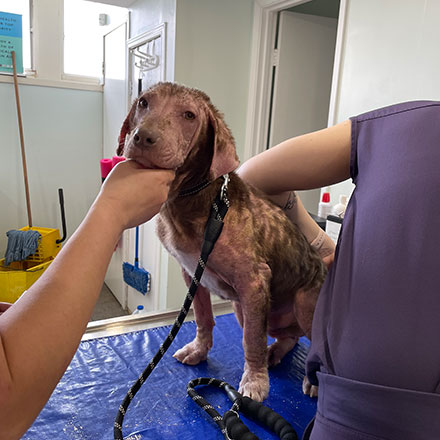
“My senior puggle started experiencing extreme itching and irritation that eventually led to hair loss and patchy, scabby skin. His paws were in particularly bad shape, it became difficult for him to do the basics, like walking or going to the bathroom, and he was constantly licking his paws.
We had gone to another vet before being referred to Dr. Mac, who came highly recommended for her expertise in dermatology. She and her team exceeded all expectations! They were incredibly kind, knowledgeable, and clearly passionate about what they do.
Dr. Mac also worked with me financially to ensure the treatments were manageable and never pushed anything she didn’t truly believe was in my dog’s best interest. Within just a few months, my dog’s skin had cleared up almost entirely, his fur started growing back, and his paws improved tremendously. He’s now living his best senior life, all thanks to Dr. Mac and her amazing team! They truly took the time to try and get to the root of the issue and it paid off.”
— Brianna T., Google review, about Atom
Dermatology Resources
Schedule a dermatology consultation
Book a dermatology consultation with Dr. Mac. If your pet has been treated for this before, please send their records ahead of your visit.
FAQs
Life is too short to wear a cone.
Schedule your pet’s dermatology consult at Mac Animal Clinic.